SAVED

Save. Compare. Share.

WHY USE IT?

  1. Save products and menu ideas you like while browsing the site.

  2. Send your selections to a Hormel Sales Representative and ask questions or get advice.

  3. Create a list you can refer to later, or send to yourself or to your coworkers.

Explore Products
Oops. You don’t currently have any items selected in MY LIST.
Once you do, you can send them to any valid email address, including your own.
Oops, you don’t currently have any items selected in MY LIST.
Once you do, you can send them to a Hormel Foodservice Sales Rep and we’ll be happy to help.

Cured vs Uncured Meats and When to Menu Each

Cured vs Uncured Meats and When to Menu Each

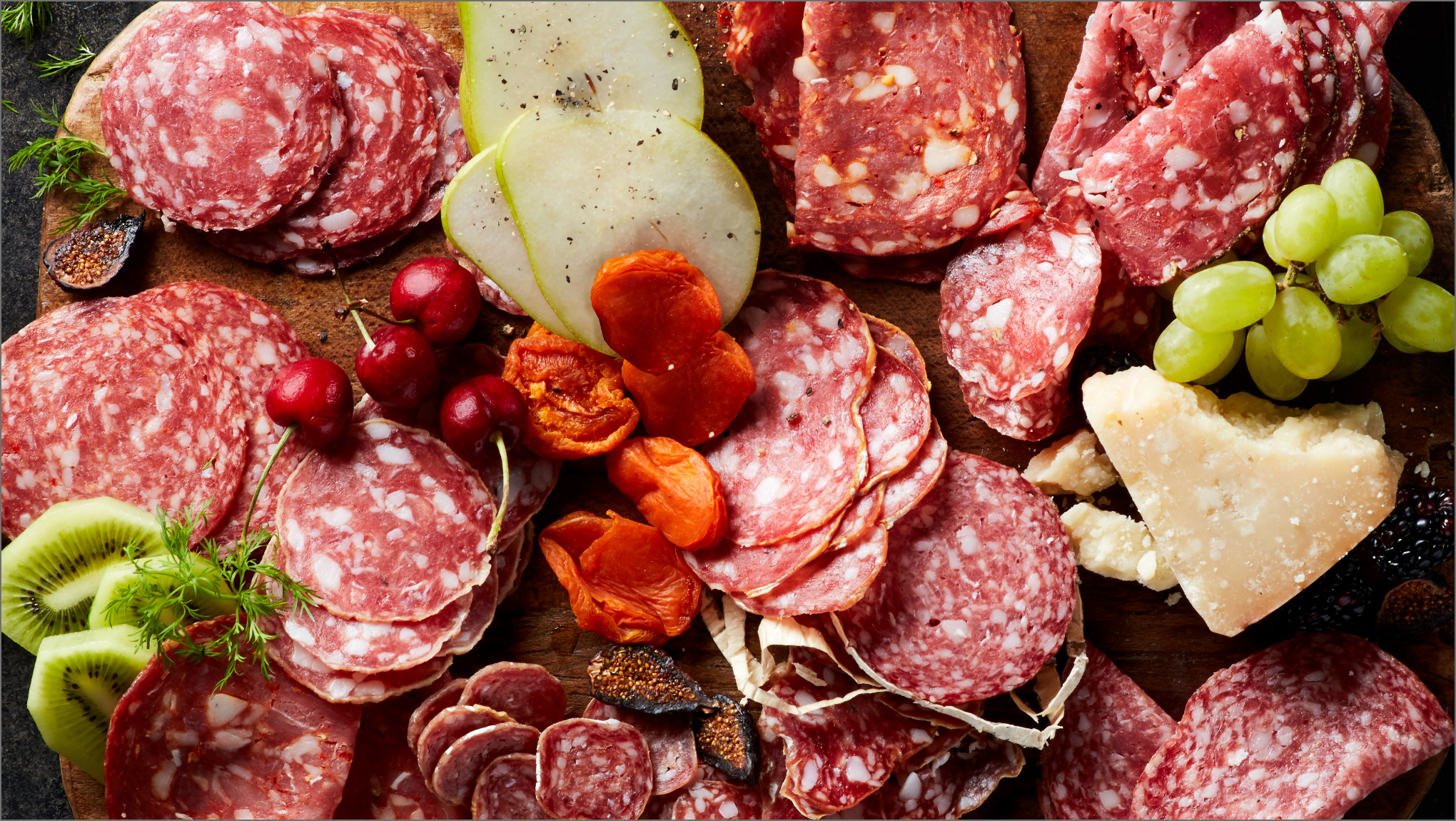
Board with meat, cheese, fruit and garnishes

4 minute read

When it comes to preserved proteins, cured and uncured meats are popular choices among consumers. But which should you choose for your menu? Ultimately, deciding which type to offer comes down to what best fits your customers’ expectations and your back-of-house requirements.

Preserving meats is one of the oldest food preparation methods, dating back at least to 3,000 B.C.1 But while once a necessity for survival, preserving meats has evolved into a flavor preference.

Consumers actively look for cured and uncured meats for their distinct flavor appeal.2 The savory, salty components of a charcuterie board or the nostalgic taste of a baseball stadium hot dog are big drivers for choosing these proteins.

“Cured” and “uncured” refer specifically to how the protein is preserved. Both use nitrites and nitrates—molecules that prevent microbial growth.

Meats labeled as “cured” (a USDA regulatory term) use synthetic, man-made nitrites and nitrates, like sodium nitrite or potassium nitrate. These traditional curing agents are time-tested ingredients that help ensure safety and consistency.

For example, classic bacon usually comes from bellies injected with a curing solution made of water, nitrates and nitrites (and occasionally flavor enhancers like honey, maple syrup, coffee or chili powder). The water then evaporates during a smoking process, leaving the other ingredients to preserve and enhance the flavor of the meat.

On the other hand, a meat is defined as “uncured” when natural preservatives are used, like nitrates found in celery powder, celery juice, sea salt and beet juice. Though the legal term is “uncured,” the meat is still preserved, just in a more natural way—which is why you’ll often see uncured meats listed as “all natural”, “organic” or “preservative-free.”

In our portfolio, a cure solution for an all-natural* protein like NATURAL CHOICE® Bacon is typically composed of water, salt, turbinado sugar, cultured celery powder and other non-artificial flavorings.

It’s important to note that compared to cured meats, some uncured meats tend to have a shorter shelf life and may not be as effective at stabilizing color, which might cause fading as the protein is exposed to oxygen.

  • your customers want bold, savory impact
  • you need assured shelf stability
  • a rich appealing hue is important for
    attracting guests
  • customers want a similar flavor appeal
    but with a perception of health
  • terms like “clean label,” “natural” or
    “organic” are common on your menu
  • a shorter shelf life isn’t an issue for your
    operation

Either way, the curing method can become part of the flavor story you tell your guests. Highlighting the heritage of traditionally cured meats or the clean-label nature of uncured proteins in your menu descriptions can add value that elevates the experience for your customers.

*Natural means minimally processed and no artificial ingredients.
1 NCHFP, University of Georgia, 2025
2 Global Growth insights, 2024

You May Also Like

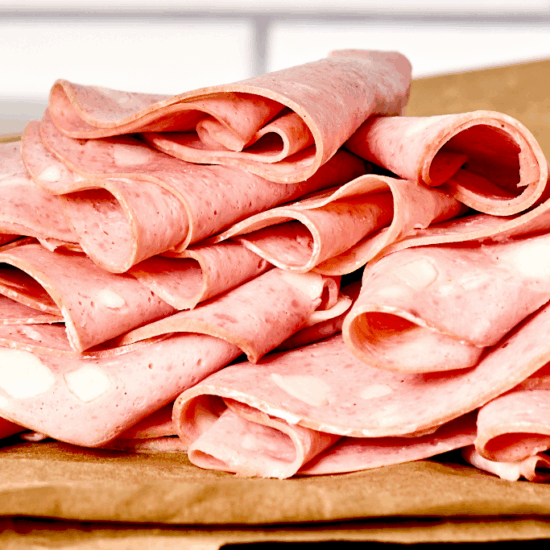
Mortadella’s Renaissance—And How You Can Benefit From It

Global market size for mortadella is expected to hit $1.4 billion by 2033, creating an opportunity for operators to get in on the sensation of this unique deli meat.

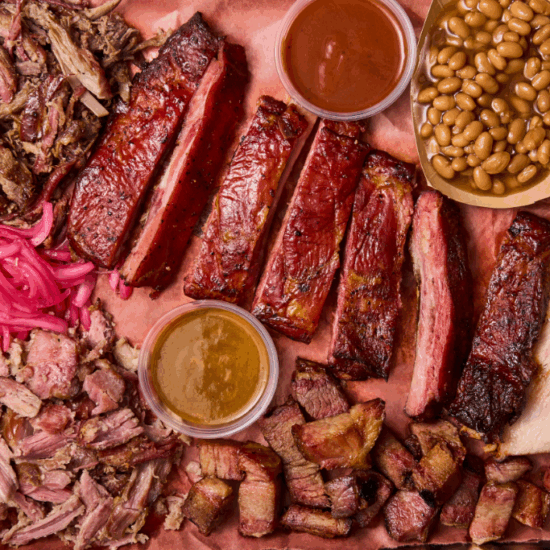
The Art and Science of Pit Smoking Meats

Here’s what goes into the craft of authentic pit smoking, from the balance of woods to the skills of the pitmaster.


FOLLOW HORMEL FOODSERVICE