“Cured” and “uncured” refer specifically to how the protein is preserved. Both use nitrites and nitrates—molecules that prevent microbial growth.
Cured Meats Use Artificial Preservatives
Meats labeled as “cured” (a USDA regulatory term) use synthetic, man-made nitrites and nitrates, like sodium nitrite or potassium nitrate. These traditional curing agents are time-tested ingredients that help ensure safety and consistency.
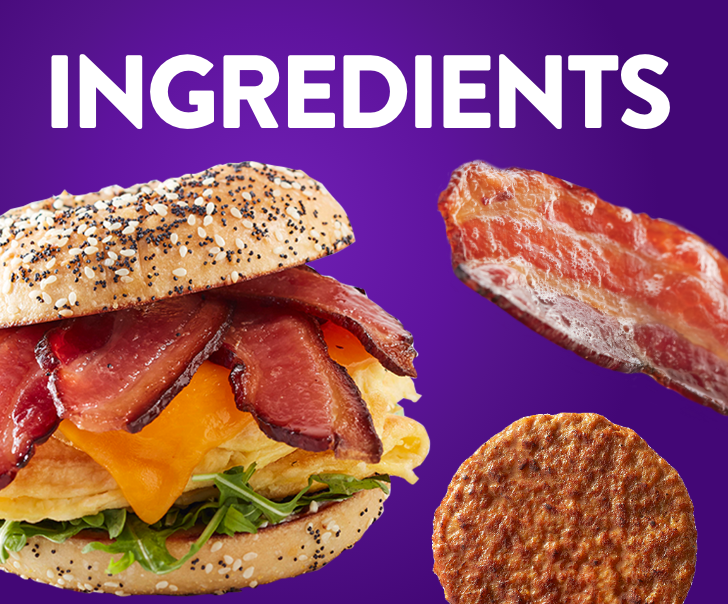
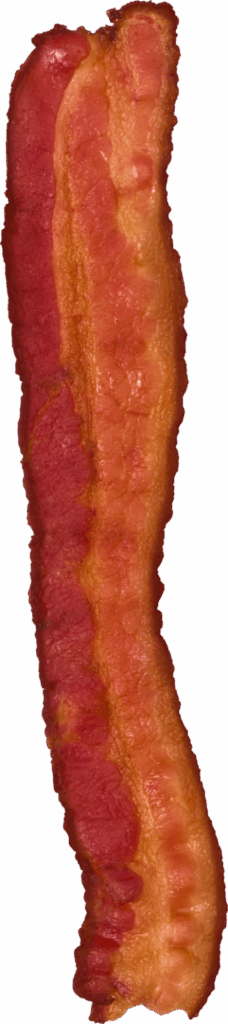
For example, classic bacon usually comes from bellies injected with a curing solution made of water, nitrates and nitrites (and occasionally flavor enhancers like honey, maple syrup, coffee or chili powder). The water then evaporates during a smoking process, leaving the other ingredients to preserve and enhance the flavor of the meat.
Uncured Meats Use Natural Preservatives
On the other hand, a meat is defined as “uncured” when natural preservatives are used, like nitrates found in celery powder, celery juice, sea salt and beet juice. Though the legal term is “uncured,” the meat is still preserved, just in a more natural way—which is why you’ll often see uncured meats listed as “all natural”, “organic” or “preservative-free.”
In our portfolio, a cure solution for an all-natural* protein like NATURAL CHOICE® Bacon is typically composed of water, salt, turbinado sugar, cultured celery powder and other non-artificial flavorings.
It’s important to note that compared to cured meats, some uncured meats tend to have a shorter shelf life and may not be as effective at stabilizing color, which might cause fading as the protein is exposed to oxygen.


 Email Sign Up