English (Canada) Français du Canada

Resources

Stop Paying for the Mess: The Real Business Case for Fully Cooked Bacon

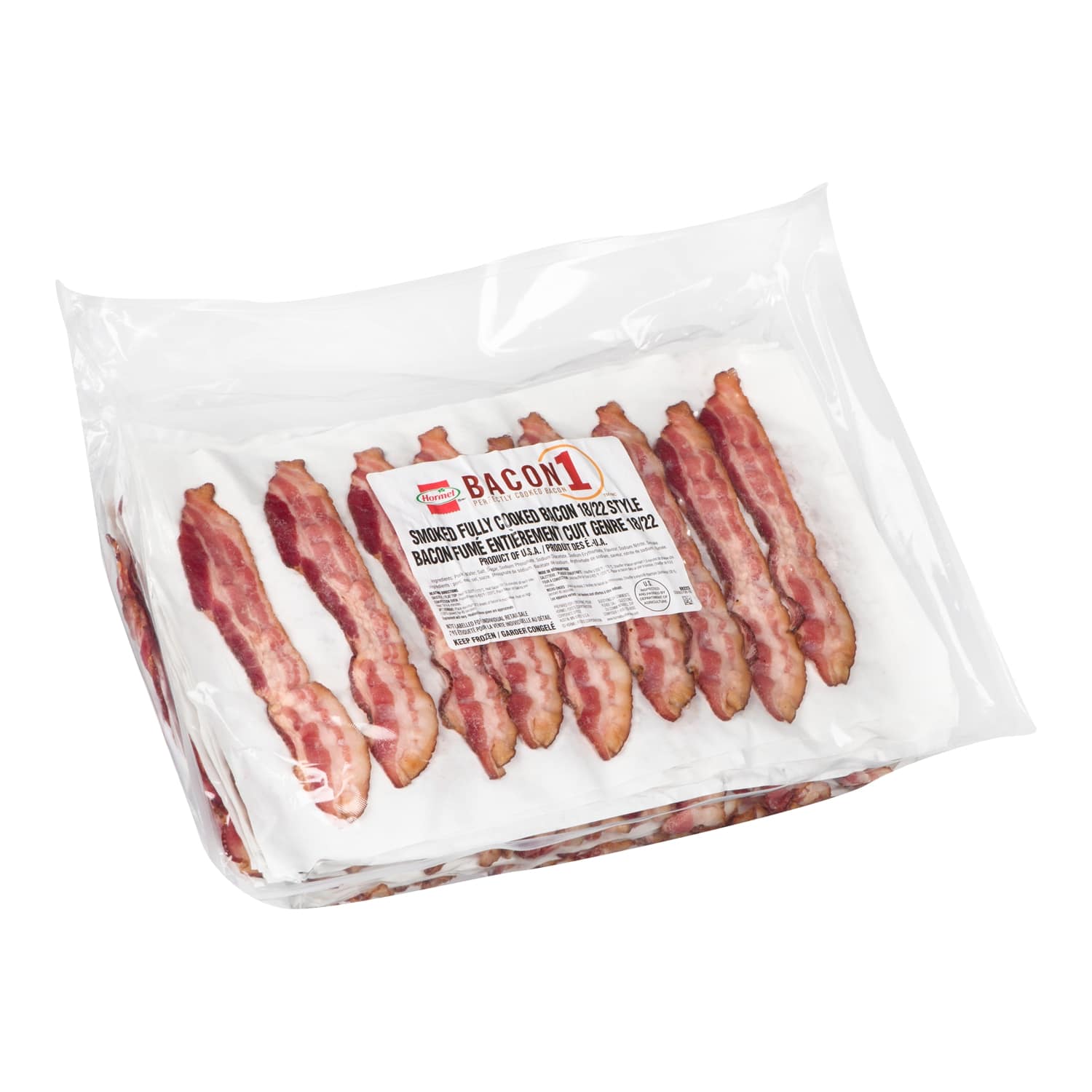
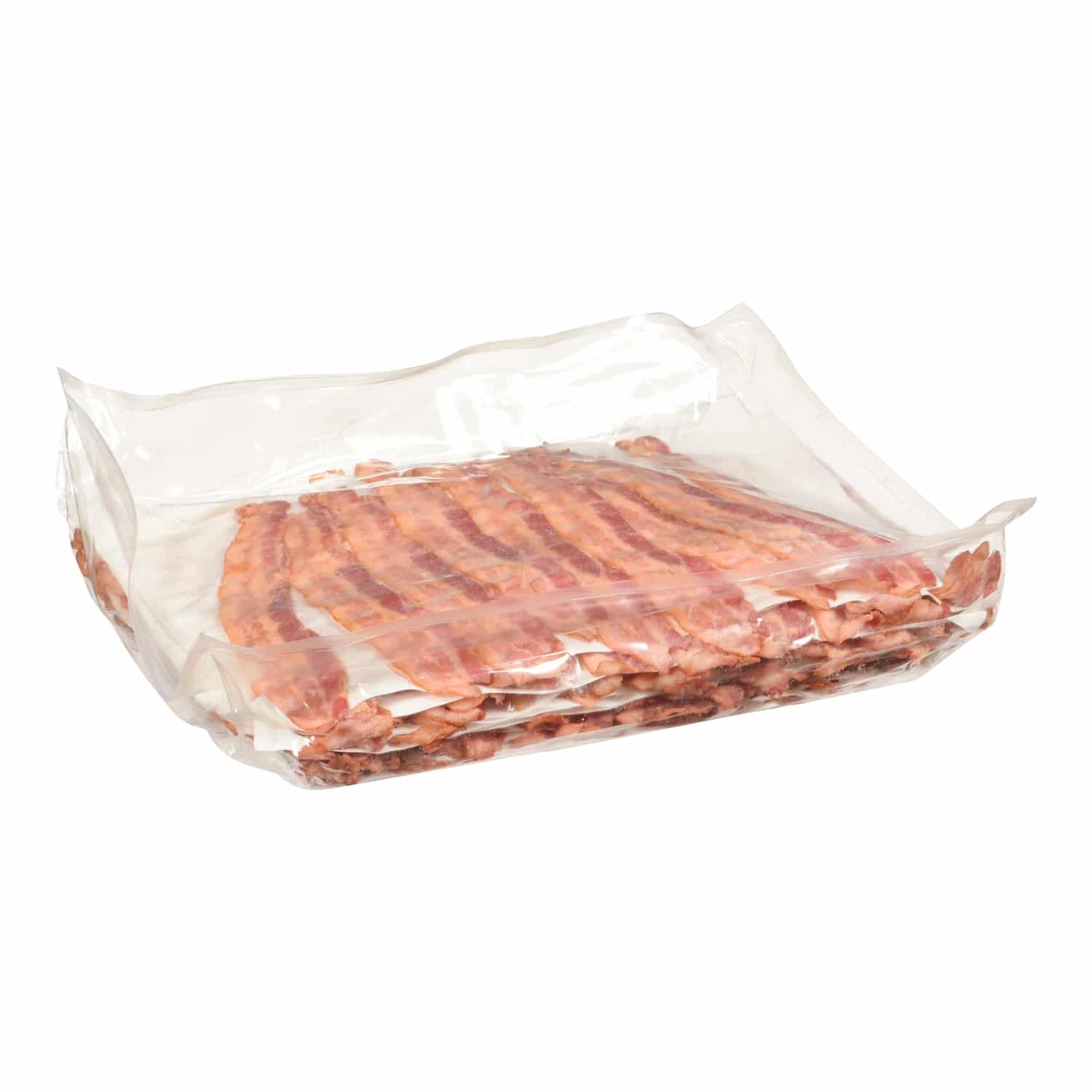
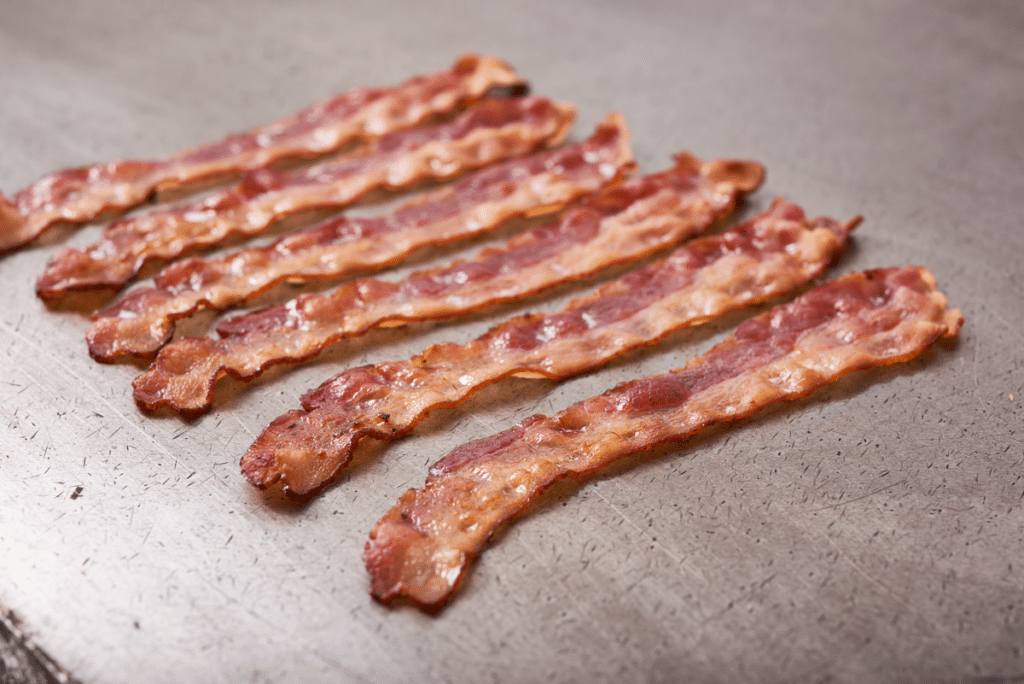
Bacon is a powerhouse on any menu, but let’s be honest: cooking it from raw can be a challenge for your staff. It’s one of the most critical ingredients on a menu, yet it’s also the one that can cause the most friction. From the labour spent scrubbing greasy pans to the constant battle with grease build up, raw bacon costs a lot more than just the price you pay for the case.

In a time when operators are looking for efficiencies and ways to reduce labour, sticking with raw bacon might be costing you your margins. Moving to a premium fully cooked bacon offers a smarter way to keep bacon on the menu without all the extra work. Here’s why more operators are making the switch and what to look for if you do.

The High Cost of the Prep Cycle

In most kitchens, raw bacon prep starts early. Trays are lined, ovens are loaded and teams spend the first part of the shift cooking bacon in large batches. That bacon is then held in pans for hours and reheated as orders come in.

At that point, you are essentially serving a fully cooked product anyway, just without the operational benefits of starting with one. You lose the texture and crispness that makes bacon irresistible. What should be a standout ingredient becomes something reheated throughout service.

Cooking raw bacon also requires attention. The window between perfectly crisp and overcooked is narrow, and a single distracted minute can burn an entire tray and spike food cost. In a busy kitchen with rotating staff, hitting that sweet spot consistently is easier said than done.
Getting Out from Under the Grease

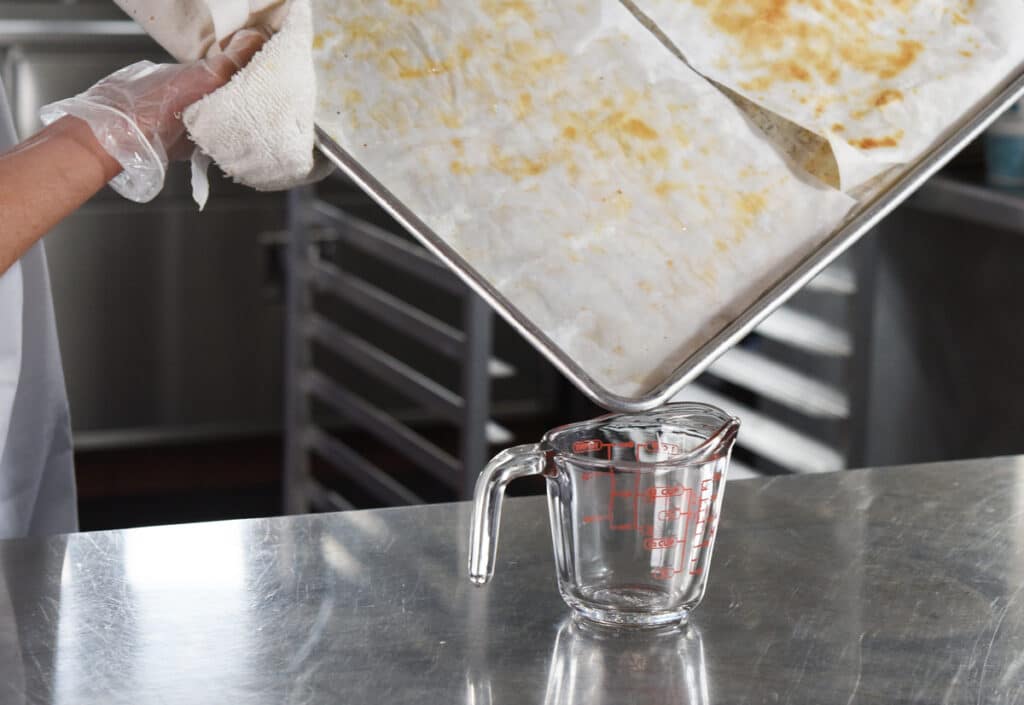
Then there’s the grease. Raw bacon produces a lot of it, and someone has to deal with it. Pans need to be scraped and scrubbed, floors have to be mopped and hoods and filters collect residue that adds to long-term mess.

All of that cleanup takes time. When your team is busy managing grease, they are not focusing on tickets, prep or guest experience. In many kitchens, that means paying skilled labor to clean up after one ingredient.
What to Look for in a Better Solution

If you’re ready to move away from the mess and stress of raw prep, the goal should be to find a fully cooked bacon that provides all the benefits you’d want from a raw product. Not all fully cooked products are created equal and many fail because they aren’t held to a high standard.
When evaluating a fully cooked bacon, it should meet these non-negotiables:

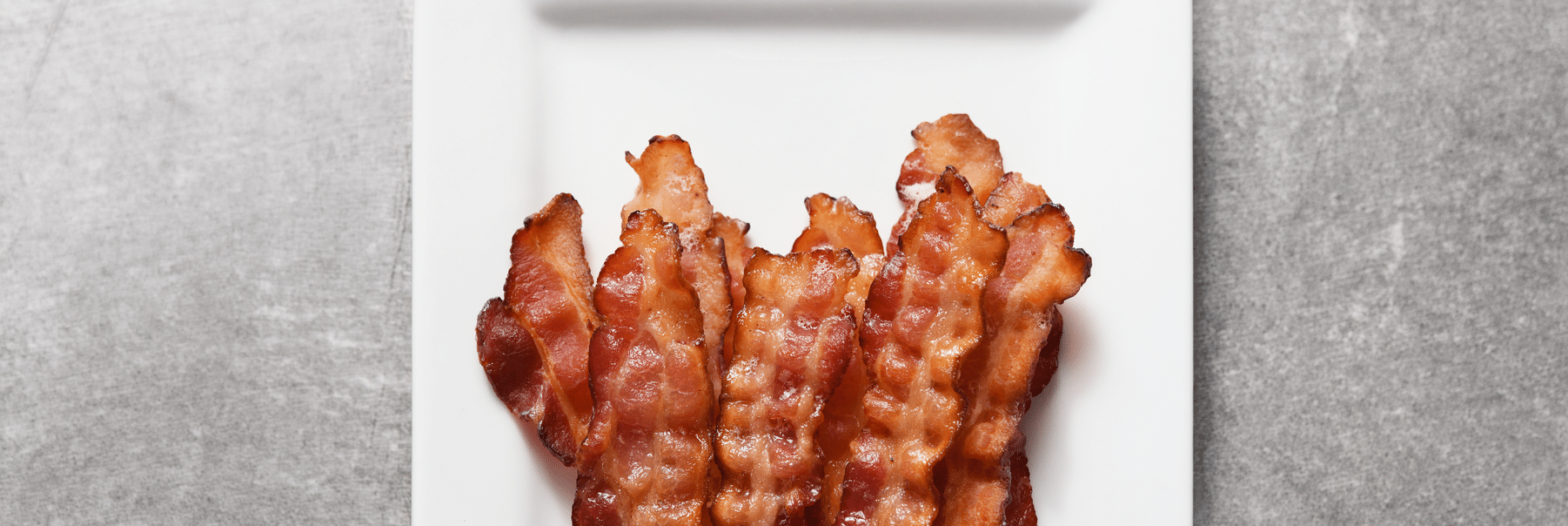
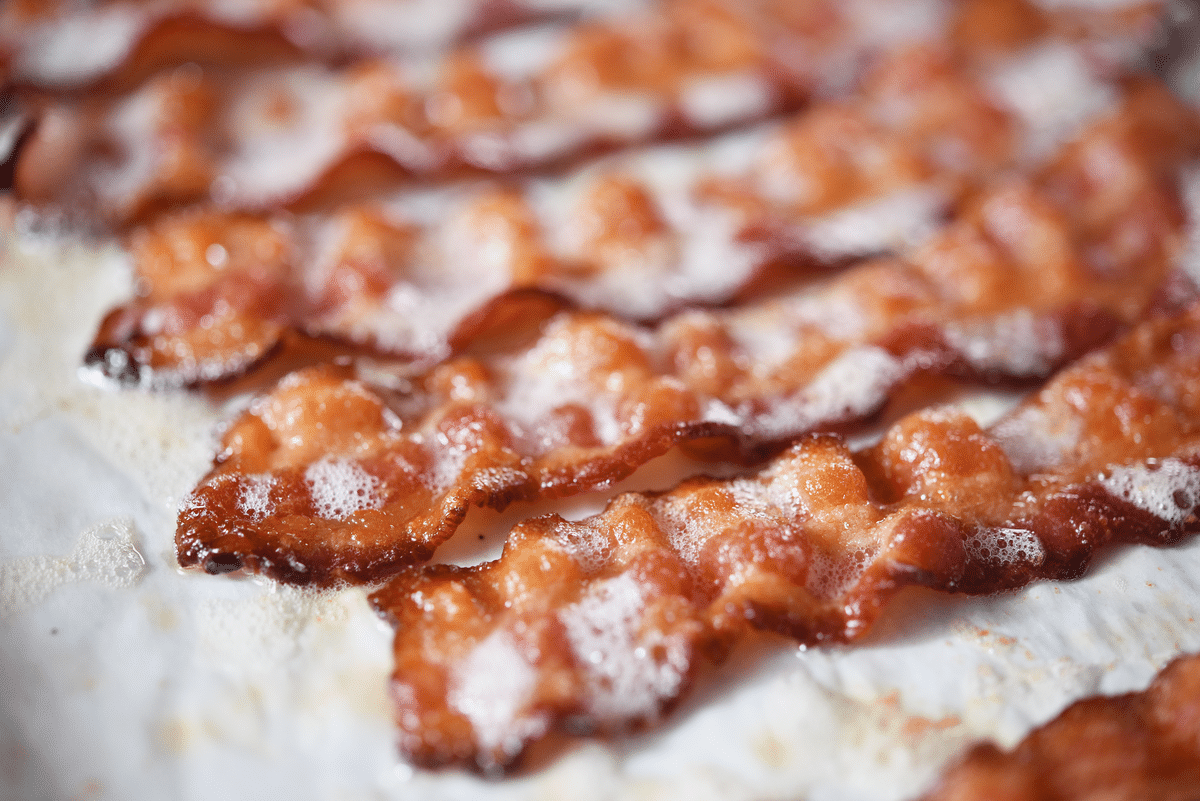
  • Visual Appeal: A quality fully cooked bacon should be indistinguishable from a slice you cooked from raw, not a paper-thin product that was clearly pre-cooked.
  • A “Raw-Cooked” Bite: It should have the same snap and texture as a slice fresh off the flat top rather than a rubbery or dry consistency.
  • Flavour Integrity: Look for a product with a real smoky aroma and a balanced salt profile that enhances a dish rather than overwhelming it.
  • Operational Resilience: It should be able to hold up in a hot sandwich or on a steam table without drying out.
  • Less Grease: This is the reason you’re using fully cooked. A high-quality option should produce up to 95% less grease* than raw bacon when heated.

The Bottom Line

Because bacon is such a critical part of the menu, it deserves an operational approach that keeps its integrity. When you factor in the labour, the waste and the utility costs of cooking from raw, the traditional prep cycle often might make you wonder if there are better alternatives.

Moving away from raw bacon is a significant shift. If a full conversion feels like too much at once, a targeted approach often makes the most sense. Testing a premium fully cooked bacon for a specific sandwich or high-volume builds allows you to see the impact on consistency and labour without overhauling your entire operation at once.

By choosing a high-standard option, you’re looking for a cleaner workspace, a more manageable workload for your crew and a more consistent plate. In a business where every minute on the line counts, the goal is to work more effectively while keeping your standards intact. 

Your Hormel Foodservice sales rep can help you find a product that makes this transition an exciting step for your menu rather than a compromise.

* Based on independent tests using a raw 18/22 foodservice bacon compared to a 18/22-style HORMEL® BACON 1™ Perfectly Cooked Bacon

Sign up for updates

The Role of Pepperoni on Your Menu

Pepperoni isn’t just a topping; it’s the anchor of the pizza category and a staple on nearly every pizza menu. And its popularity is showing no signs of slowing down. According to a 2025 global market report, the pepperoni category is projected to reach $2.43 billion by 2033, driven by pizza’s staying power, flavor and format innovation and continued growth across foodservice and QSR channels.¹

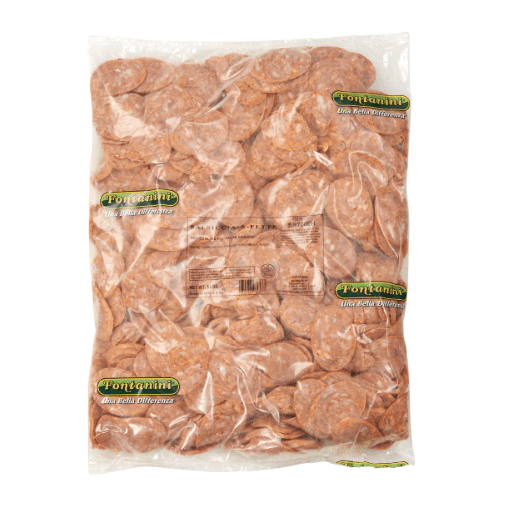
When you want to stand out and build loyalty with your guests, you shouldn’t just settle for the first pepperoni you see on your distributor site. Operators have options when it comes to format, quality levels and ways to menu it and knowing how different formats perform can help you make better decisions based on your kitchen, menu and customer.

Here are three pepperoni formats and how to choose the right product(s) for your operation.

Ribbon Pepperoni

Full Coverage and Unexpected Versatility

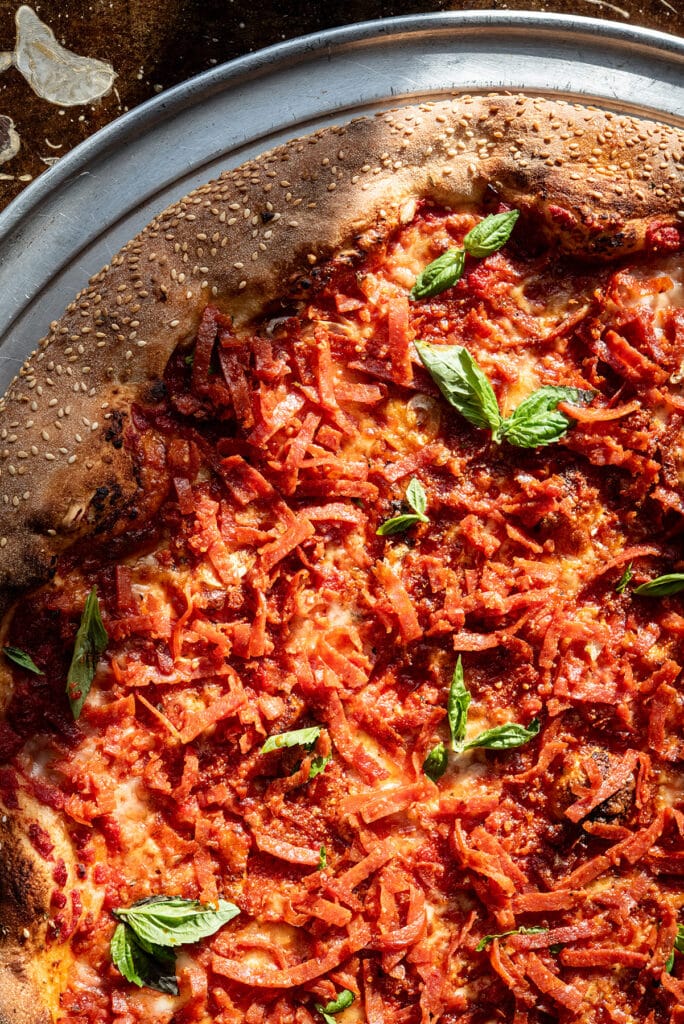
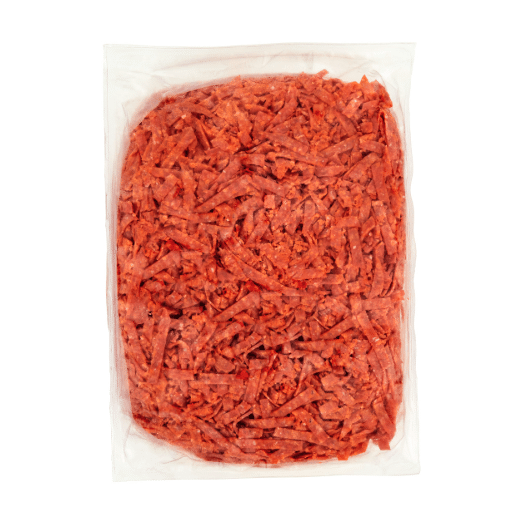
Ribbon pepperoni is perfect for your customers that love the texture of pepperoni and want some in every bite. Inspired by the legendary Windsor-style pizza, this format creates an eye-catching look and a crispy bite while remaining an easy-to-execute topping for  back-of-house. Since the shredded ribbons require no specific pattern or careful placement, they spread easily across the pie regardless of staff skill level, allowing even the newest team members to top a pizza with speed and accuracy.

But where this format really stands out from other formats of pepperoni is in its versatility. Ribbon pepperoni works just as well on a pizza as it does off of one. Try it tossed in pasta, folded into a calzone or crisped up as a salad topper. It holds its texture, visual appeal and adds flavor to any dish that benefits from a textural protein (think: bacon). For operators looking to stretch ingredients across multiple menu items, the ribbon-style format offers a highly efficient addition to your inventory.

Cup and Char Pepperoni

Built for Bold Flavour and Visual Appeal

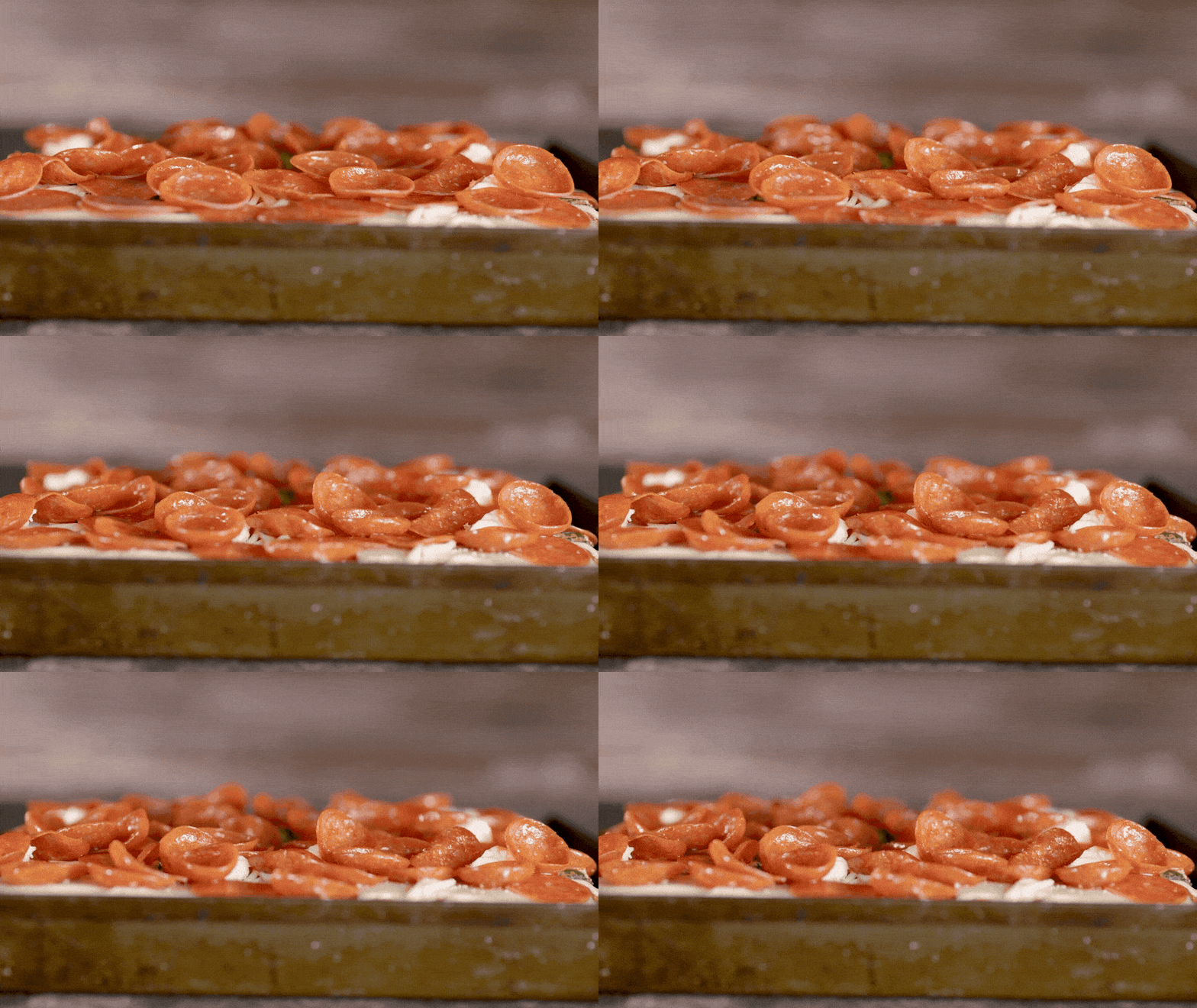
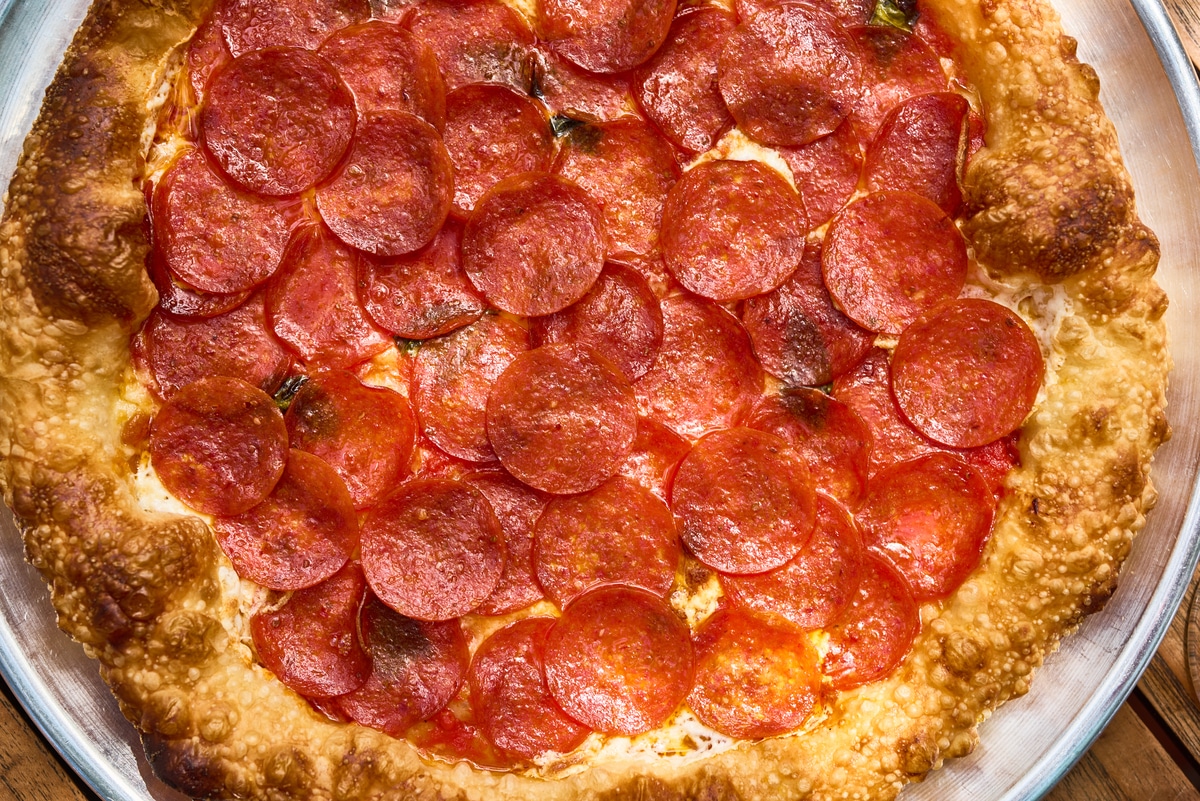
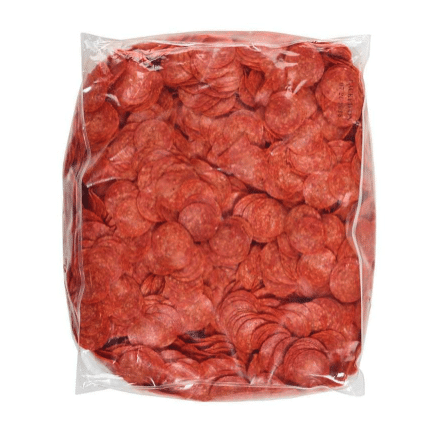
Cup and char pepperoni brings a sense of drama to the pie. As it cooks, the edges curl and crisp, creating a picture-perfect look and a signature crunch that draws customers in. The resulting “cups” create savoury pools of flavour that work perfectly for catching a drizzle of hot honey, a sprinkle of parmesan or dollops of fresh ricotta.

This format is a natural fit for your signature pepperoni pizza, a differentiated build on your menu or a premium LTO designed to drive new business. It looks good, eats well and helps justify a slightly higher price point because it feels intentional and special. If your operation leans into social media or builds a following around menu creativity, this is one to keep in the mix. 

Layflat Pepperoni

The Familiar Classic That Gets It Done

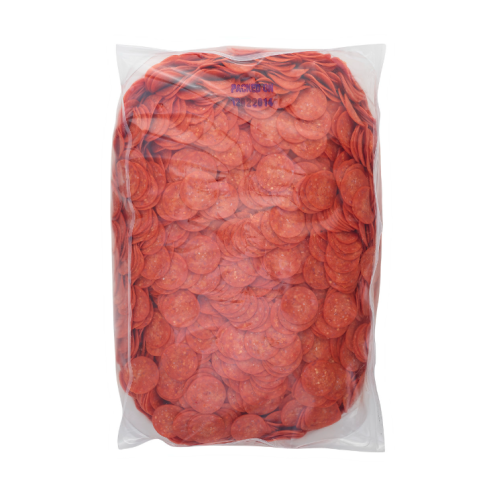
There’s a reason layflat pepperoni is a staple. It delivers the classic pepperoni flavour and look customers expect, with clean edges and an even cook that performs across different ovens and prep styles. It’s designed to layer well with any cheese blend or heavy toppings and holds its integrity whether you sell by the slice, rely on delivery or serve a high-volume dining room.

This format serves operations that prioritize absolute consistency. A quality layflat pepperoni should be easy to handle, reliable and flexible enough to work across a range of builds. When your team needs to keep the line moving without sacrificing quality, layflat acts as the go-to performer that keeps service steady and the pies looking exactly as they should.

Matching Format to Function

Not every kitchen is the same, and your pepperoni shouldn’t be either. The right format helps you manage prep, control portions and deliver a better experience that keeps guests coming back. Whether you’re looking to drive premium appeal or stretch your proteins across the menu, understanding the strategic role of pepperoni is one of the simplest ways to get more out of your most popular ingredient.

Get in touch with your Hormel Foodservice rep to provide the right pepperoni for your operation.

1 “Global Pepperoni Food Market to Reach $2.43 Billion by 2033, Driven by Pizza Popularity and QSR Expansion” – Research and Markets via Business Wire, March 2025.

Sign up for updates

Why Premium Matters: A Smarter Way to Choose Italian Sausage and Meatballs

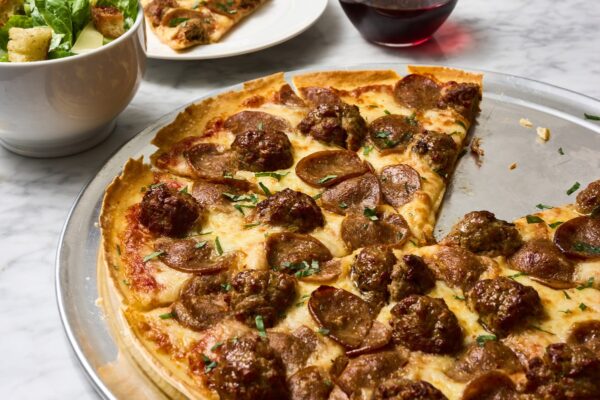
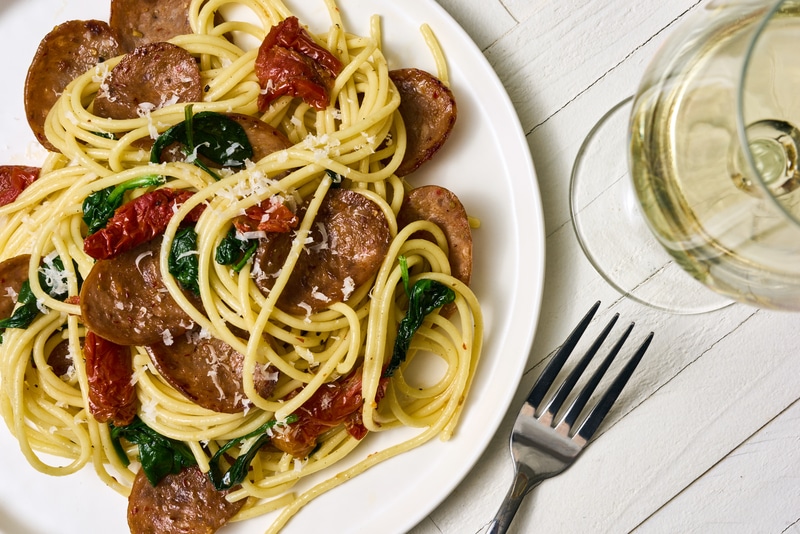
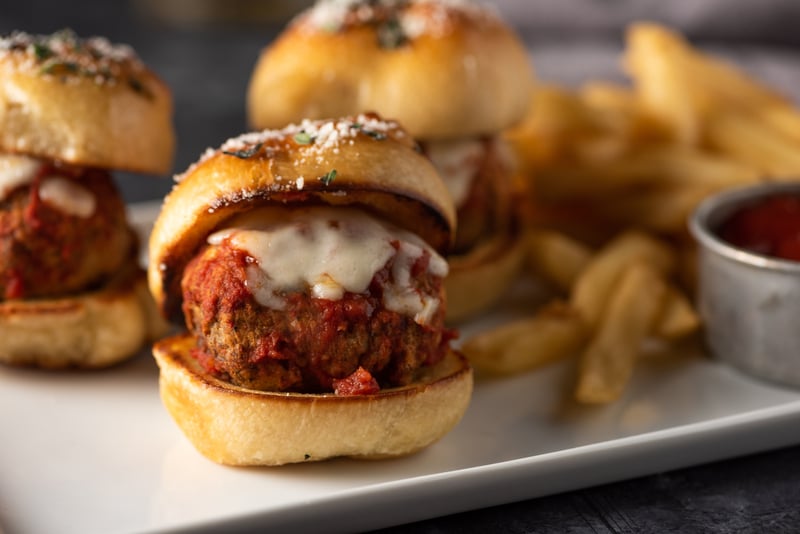
Sausage and meatballs aren’t just ingredients, they’re the flavour drivers that anchor pizzas, pastas and subs. When they’re done right, they add craveable taste and a homemade, premium experience for your customers. When they’re not, they notice.

If you’re buying based on price alone, it might be time to take a closer look at the experience you’re providing customers. Because with Italian-style proteins, quality shows up in every step of prep, service and guest satisfaction.

Let’s take a closer look at what separates a premium product from the rest.


How the Sausage Gets Made

The foundation of great Italian sausage starts with the meat itself. Premium sausage is made from whole-muscle cuts — solid, high-quality pieces of meat. These cuts deliver better texture, a fat-to-lean ratio that leads to less grease and a more natural chew.

Lower-quality options often rely on trim, which is made up of smaller leftover bits collected during processing. While it’s still a pork product, trim is more inconsistent in its lean-to-fat ratio and often ground too fine. This leads to that overly smooth, often greasy and rubbery texture some sausage has.

Another factor that affects quality is how the meat is handled during production. When sausage is overworked (mixed and ground too aggressively), it can lose its natural texture. The result is a dense, tight bite instead of the coarser, more rustic texture that feels handcrafted.


Consistency Builds Confidence

A well-made, fully cooked product removes the guesswork. When the grind, seasoning and cook process are done right, you get a protein that performs the same way every time no matter who is in the kitchen.

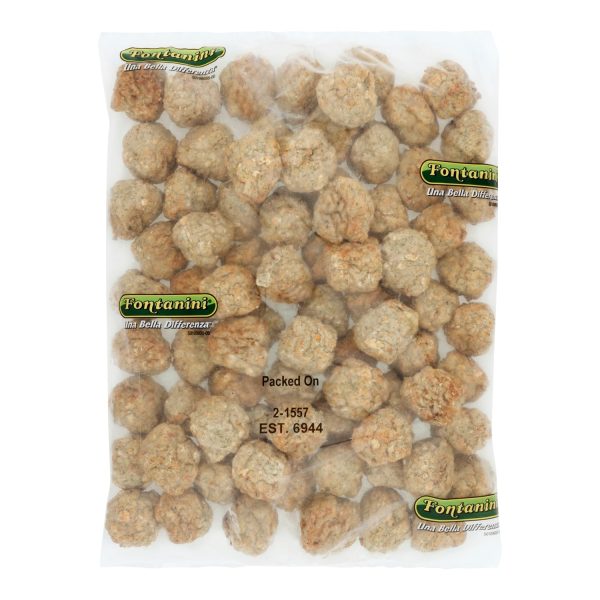
That kind of consistency builds trust in the product. You don’t have to worry about shrink, uneven texture or inconsistent portioning. Quality sausage should deliver consistent size and flavour. Meatballs need to hold their shape, stay moist and stay tender in a sauce.

Starting with a quality product gives you one less thing to think about. That kind of reliability is the difference between an average eating experience to one that will provide the homemade, scratch-like quality that customers hope for when eating Italian meats


Quality Drives Value and Repeat Business

When customers order a dish with sausage or meatballs, they’re looking for flavour, texture, and that homemade quality they’ll remember and come back for.

These proteins are often the hero of the dish. They’re the centerpiece. That means they carry the responsibility of delivering a great first and lasting impression. They shouldn’t have to hide under other ingredients.

Sausage should have real bite, balanced seasoning and visible texture. Meatballs should be tender, juicy and hold their own with or without sauce. When the product hits those marks, it elevates the entire plate.

Customers are also showing they’re willing to pay for that kind of quality. Diners are placing greater value on high-quality dining experiences over affordability1 and for operators, that means quality can be a differentiator—not just a cost factor.

Premium products let you charge for quality because customers recognize it. And more importantly, they come back for it. That kind of satisfaction builds loyalty and helps protect your menu’s value.

You should be proud to serve what goes on your plate. With the right sausage or meatball, you can be.


Want a product that shows its value from the first bite?
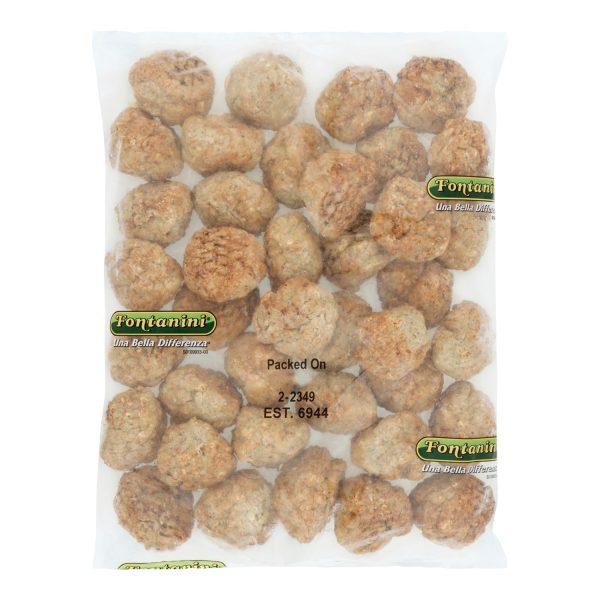
Hormel Foodservice offers fully cooked Italian sausage and meatballs made for performance, consistency and craveable flavour.

Sources
¹2025 Food & Beverage Trend Report, National Restaurant Association Show

Sign up for updates