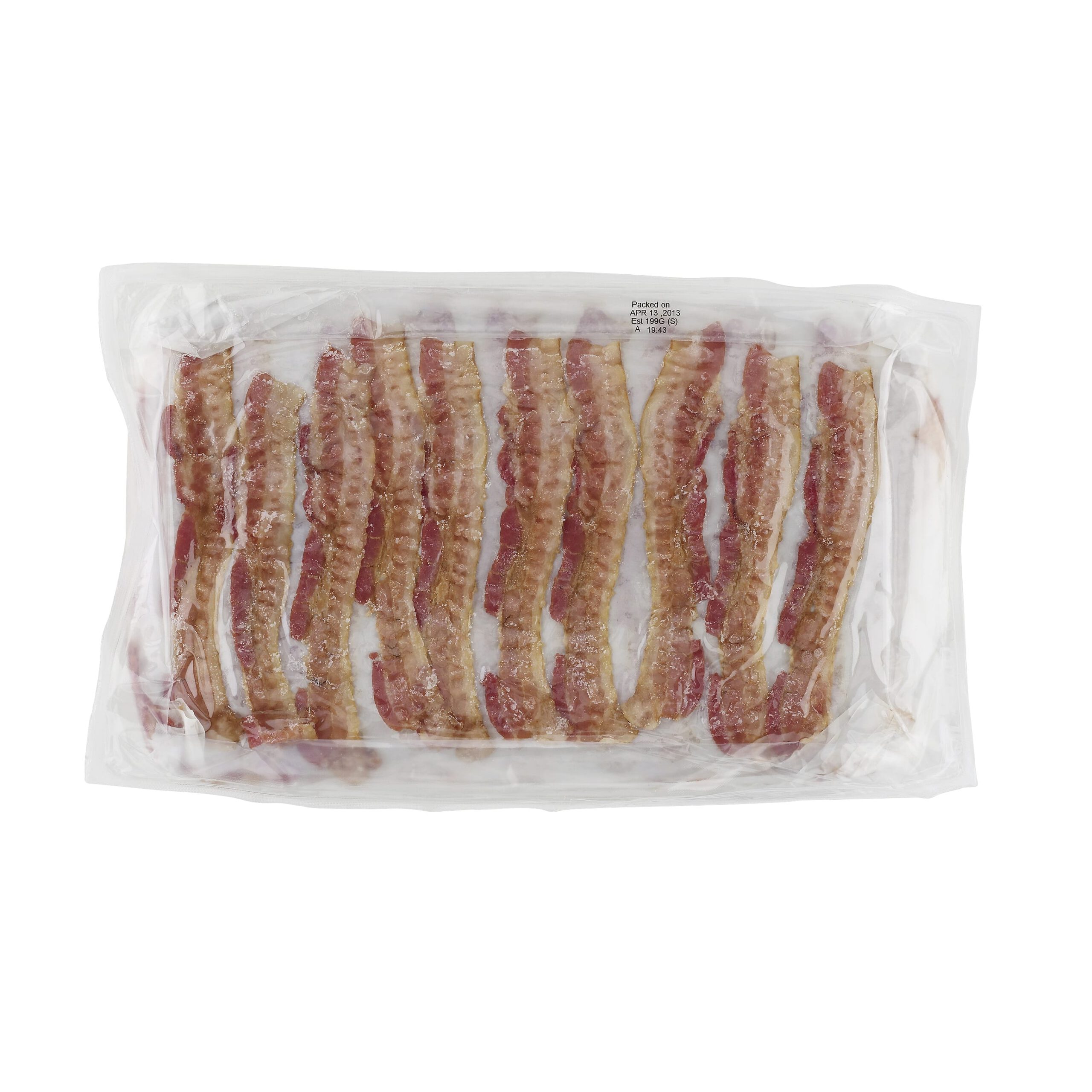
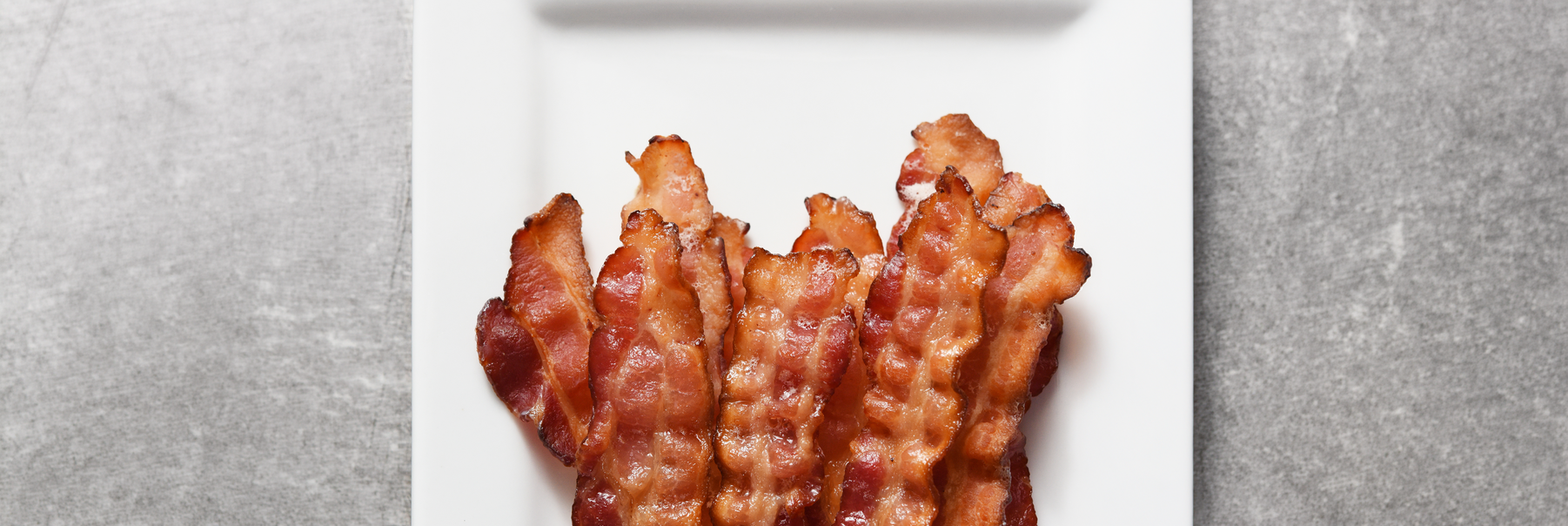
Bacon is a powerhouse on any menu, but let’s be honest: cooking it from raw can be a challenge for your staff. It’s one of the most critical ingredients on a menu, yet it’s also the one that can cause the most friction. From the labour spent scrubbing greasy pans to the constant battle with grease build up, raw bacon costs a lot more than just the price you pay for the case.
In a time when operators are looking for efficiencies and ways to reduce labour, sticking with raw bacon might be costing you your margins. Moving to a premium fully cooked bacon offers a smarter way to keep bacon on the menu without all the extra work. Here’s why more operators are making the switch and what to look for if you do.
The High Cost of the Prep Cycle
In most kitchens, raw bacon prep starts early. Trays are lined, ovens are loaded and teams spend the first part of the shift cooking bacon in large batches. That bacon is then held in pans for hours and reheated as orders come in.
At that point, you are essentially serving a fully cooked product anyway, just without the operational benefits of starting with one. You lose the texture and crispness that makes bacon irresistible. What should be a standout ingredient becomes something reheated throughout service.
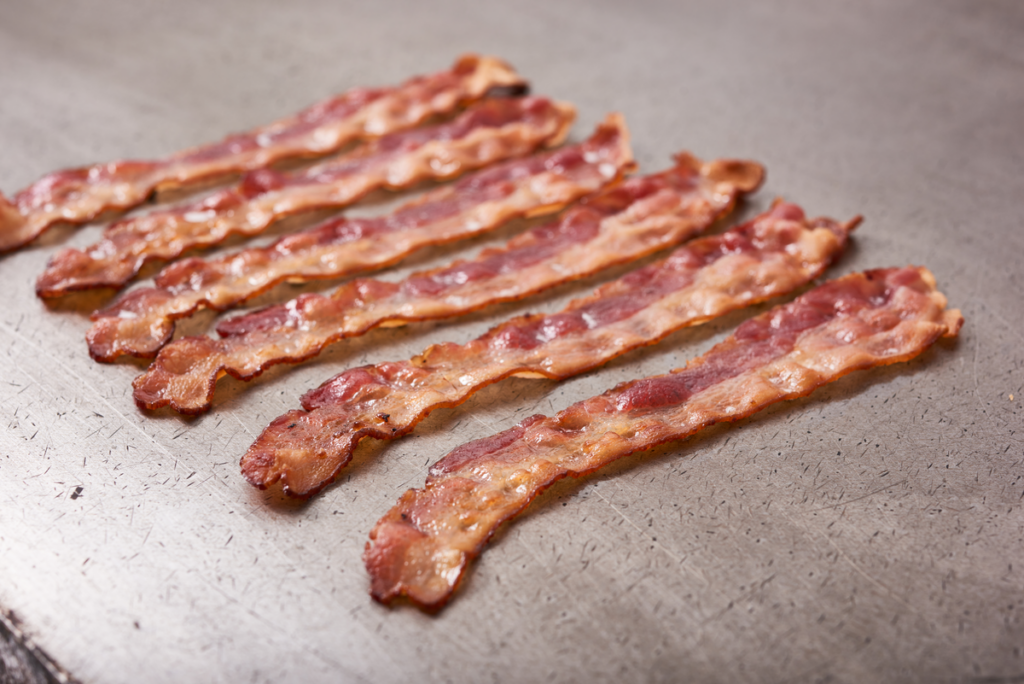
Cooking raw bacon also requires attention. The window between perfectly crisp and overcooked is narrow, and a single distracted minute can burn an entire tray and spike food cost. In a busy kitchen with rotating staff, hitting that sweet spot consistently is easier said than done.
Getting Out from Under the Grease
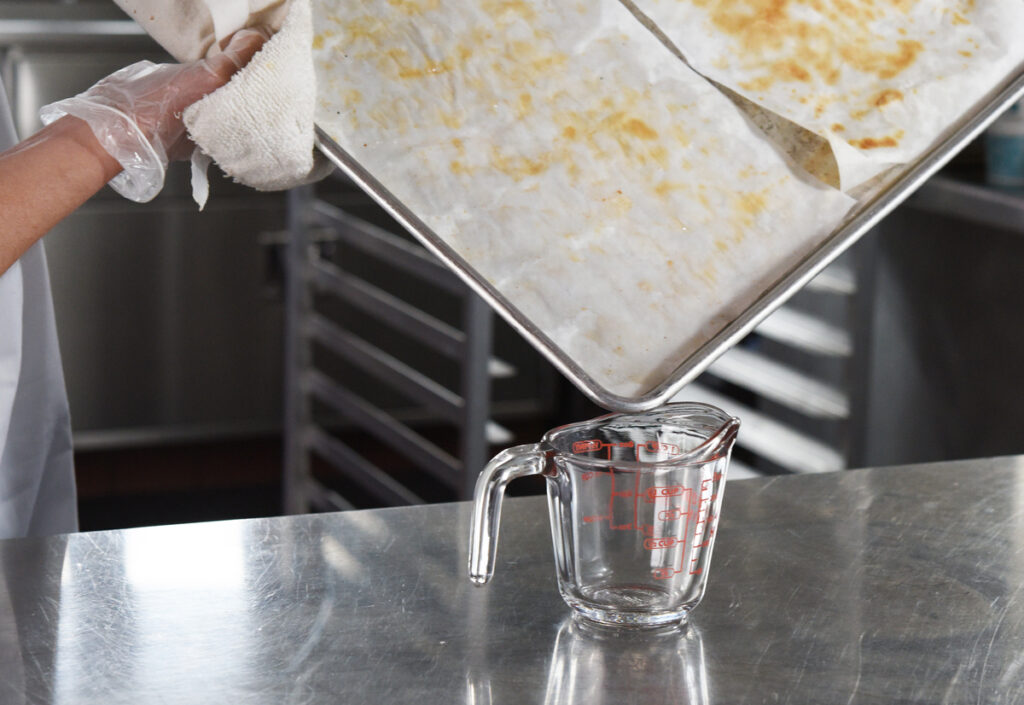
Then there’s the grease. Raw bacon produces a lot of it, and someone has to deal with it. Pans need to be scraped and scrubbed, floors have to be mopped and hoods and filters collect residue that adds to long-term mess.
All of that cleanup takes time. When your team is busy managing grease, they are not focusing on tickets, prep or guest experience. In many kitchens, that means paying skilled labor to clean up after one ingredient.
What to Look for in a Better Solution
If you’re ready to move away from the mess and stress of raw prep, the goal should be to find a fully cooked bacon that provides all the benefits you’d want from a raw product. Not all fully cooked products are created equal and many fail because they aren’t held to a high standard.
When evaluating a fully cooked bacon, it should meet these non-negotiables:
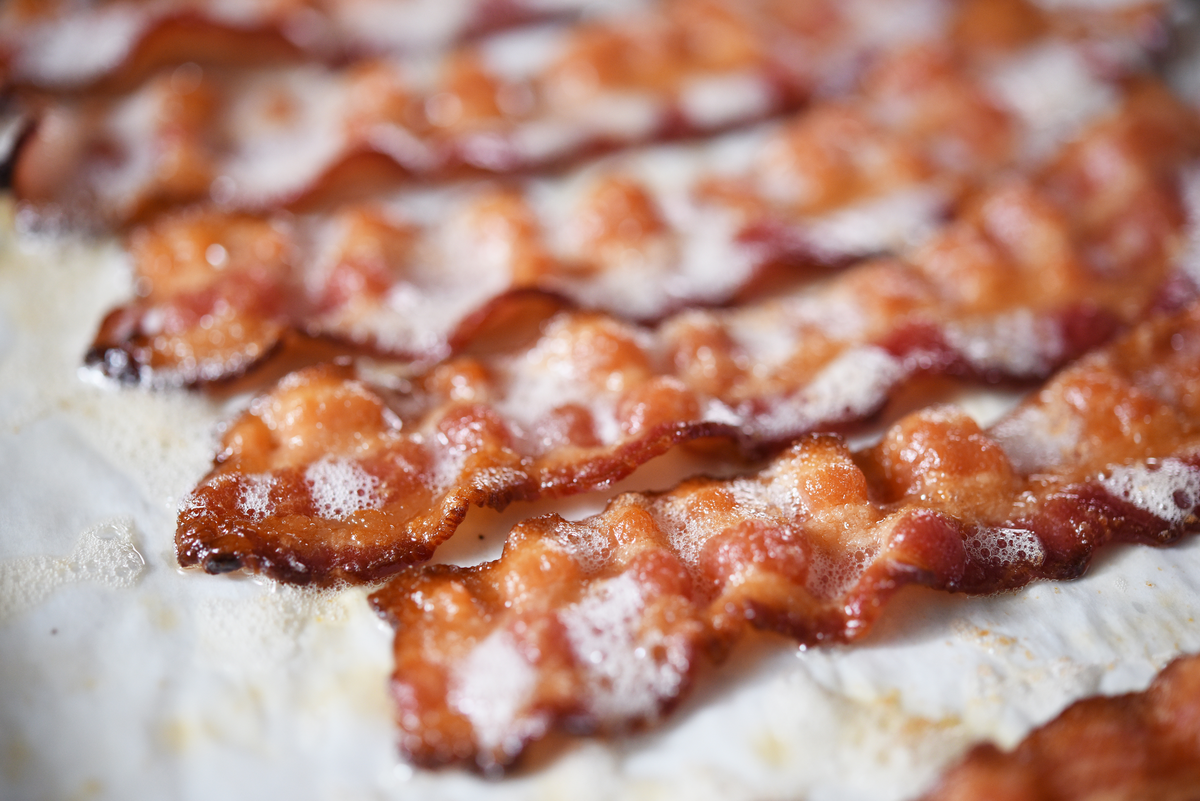
- Visual Appeal: A quality fully cooked bacon should be indistinguishable from a slice you cooked from raw, not a paper-thin product that was clearly pre-cooked.
- A “Raw-Cooked” Bite: It should have the same snap and texture as a slice fresh off the flat top rather than a rubbery or dry consistency.
- Flavour Integrity: Look for a product with a real smoky aroma and a balanced salt profile that enhances a dish rather than overwhelming it.
- Operational Resilience: It should be able to hold up in a hot sandwich or on a steam table without drying out.
- Less Grease: This is the reason you’re using fully cooked. A high-quality option should produce up to 95% less grease* than raw bacon when heated.
The Bottom Line
Because bacon is such a critical part of the menu, it deserves an operational approach that keeps its integrity. When you factor in the labour, the waste and the utility costs of cooking from raw, the traditional prep cycle often might make you wonder if there are better alternatives.
Moving away from raw bacon is a significant shift. If a full conversion feels like too much at once, a targeted approach often makes the most sense. Testing a premium fully cooked bacon for a specific sandwich or high-volume builds allows you to see the impact on consistency and labour without overhauling your entire operation at once.
By choosing a high-standard option, you’re looking for a cleaner workspace, a more manageable workload for your crew and a more consistent plate. In a business where every minute on the line counts, the goal is to work more effectively while keeping your standards intact.
Your Hormel Foodservice sales rep can help you find a product that makes this transition an exciting step for your menu rather than a compromise.
* Based on independent tests using a raw 18/22 foodservice bacon compared to a 18/22-style HORMEL® BACON 1™ Perfectly Cooked Bacon
Sign up for updates
Subscribe
*Indicates required field