4 minute read
Published
|
Updated
At a Glance
Investing in higher-quality raw bacon reduces operational costs and waste by delivering consistent slice thickness, predictable trim, and an improved overall guest experience.
Bacon is one of those ingredients that can seem fairly interchangeable. When comparing products, one case can look very similar to the next, which is why operators may buy based on price alone. But once it’s in the hands of your staff and on the plate for your guests, differences in quality can become noticeable quickly.
Uneven slices, excessive fat, artificial flavor and inconsistent cooking can all create challenges in the kitchen and impact the experience you deliver to customers.
When evaluating raw bacon, knowing what to look for can make a big difference in consistency, food cost and overall quality.
Better Trim Means More Usable Bacon
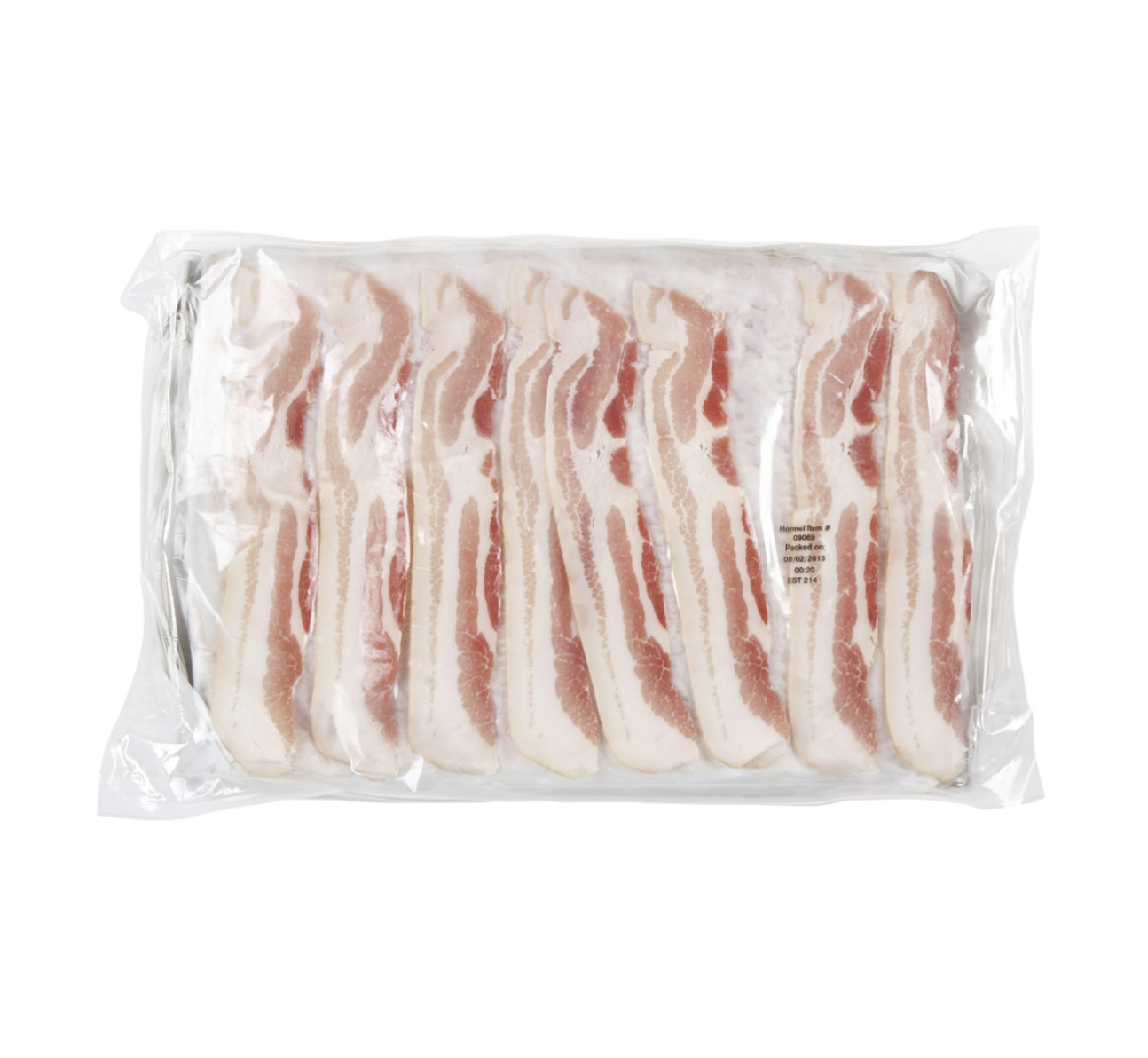
In bacon, how the belly is trimmed determines the balance of meat and fat in each slice, which plays a major role in how the bacon cooks and yields once prepared.

When the trimming is inconsistent, the fat content can vary throughout the bacon, making cooking less predictable. Some pieces may cook too quickly while others stay underdone. Bacon with too much fat can shrink unpredictably and leave less usable product once cooked.
A more consistent trim helps create:
- Less shrinkage during cooking
- More even cooking
- Better portion consistency
For most operations, those small differences can quickly add up.
Uniform Slices Cook More Consistently


Consistent slice thickness makes bacon easier to cook, portion and plate consistently.
Evenly sliced bacon helps:
- Reduce burning and improve presentation
- Make portioning easier from plate to plate
- Create a more consistent appearance across burgers, sandwiches and breakfast platters.
- Speed up prep when bacon is consistently packed and easy to handle
Small details like sizing, shaping and packaging can make bacon easier to manage throughout service.
Smoke Flavor Should Taste Natural

Customers notice bacon before it even reaches the plate. Aroma is part of the experience, and the smell of bacon cooking can shape expectations immediately.
A quality bacon should have a balanced smoke flavor that tastes authentic, not artificial or overly processed.
When evaluating bacon, look for descriptors like “hardwood smoked” to help indicate the flavor was developed through a natural smoking process rather than added with liquid smoke. Different hardwoods can also create more distinct flavor profiles, from slightly sweet to richer, more robust smoke notes.
Bacon Is Often the Ingredient Guests Remember
Bacon is often one of the most noticeable ingredients on the plate. Whether it’s layered onto a burger, served at breakfast or used to finish a sandwich, it’s often one of the first things guests notice on the plate.
Choosing a quality bacon helps create a more consistent experience from prep to plate. It can help reduce waste and frustration in the kitchen while delivering a better final product to your guests.
What looks less expensive on paper can sometimes create more inconsistency, more operational challenges and ultimately more unhappy customers. A poor experience may make guests less likely to return.

Not all bacon yields the same results. Your Hormel Foodservice representative can help you evaluate the factors that matter most for your operation.
For more about everything you need to know about raw bacon, check out this video.
Frequently Asked Questions (FAQs)
Question: What is the difference between premium bacon and economy bacon?
Answer: Premium bacon is typically produced with more consistent trimming, more consistent slice thickness and better overall quality control. This helps create more even cooking, less waste and a more consistent experience for both operators and guests.
Question: Why does bacon slice consistency matter in a commercial kitchen?
Answer: Consistent slice thickness helps bacon cook evenly, reduces burning and makes portioning easier to manage. It also helps create a more consistent appearance and guest experience across every plate.
Question: How does bacon trim affect cooking performance and the amount of usable product?
Answer: The balance of meat and fat in a bacon slice impacts how the product cooks and how much usable bacon remains after preparation. More consistent trim can help reduce excessive shrinkage and improve portion consistency.
Question: What should operators look for when evaluating raw bacon quality?
Answer: Operators should evaluate trim consistency, slice thickness, smoke flavor and how the bacon is packed in the case. These details can impact cooking consistency, handling, waste and the final guest experience.
Question: Can higher-quality bacon help reduce waste and improve consistency?
Answer: Yes. A higher-quality bacon product can help reduce unusable slices, improve cooking consistency and make portions more predictable, helping create a smoother back-of-house process and a more reliable final product.
Sign up for updates
Subscribe
*Indicates required field